
Privacy & Safety
A yearbook, not a social network
FC Yearbook is the yearbook your child’s school already published, on a phone or tablet, with one addition: classmates can sign it, the way they pass a printed yearbook around. That is the whole product. It is built for children, so it is built to leave out everything that makes other apps a worry for parents.
What FC Yearbook does not have: no public profiles, no friend lists or followers, no feeds, no likes, no photo or video uploads by students, no group chats, no open web browsing, no advertising, and no selling or sharing of student information. The only outside content a school may add is its own year-in-review video.
Who can get in: only the students and staff pictured in that yearbook, with the access code the school hands out and the name matched to the printed roster. Only who the school allows can see the book, the names, or the messages. The yearbook is not on the web and is not indexed by search engines.
What we collect: a sign-in name, a password, an email address, and, where the school asks for it, the student’s grade. We do not ask schools for phone numbers, home addresses or any other personal data. For a younger student, the email address is yours, not the child’s. The Privacy Policy has the full details.
How signing works, and how it stays safe
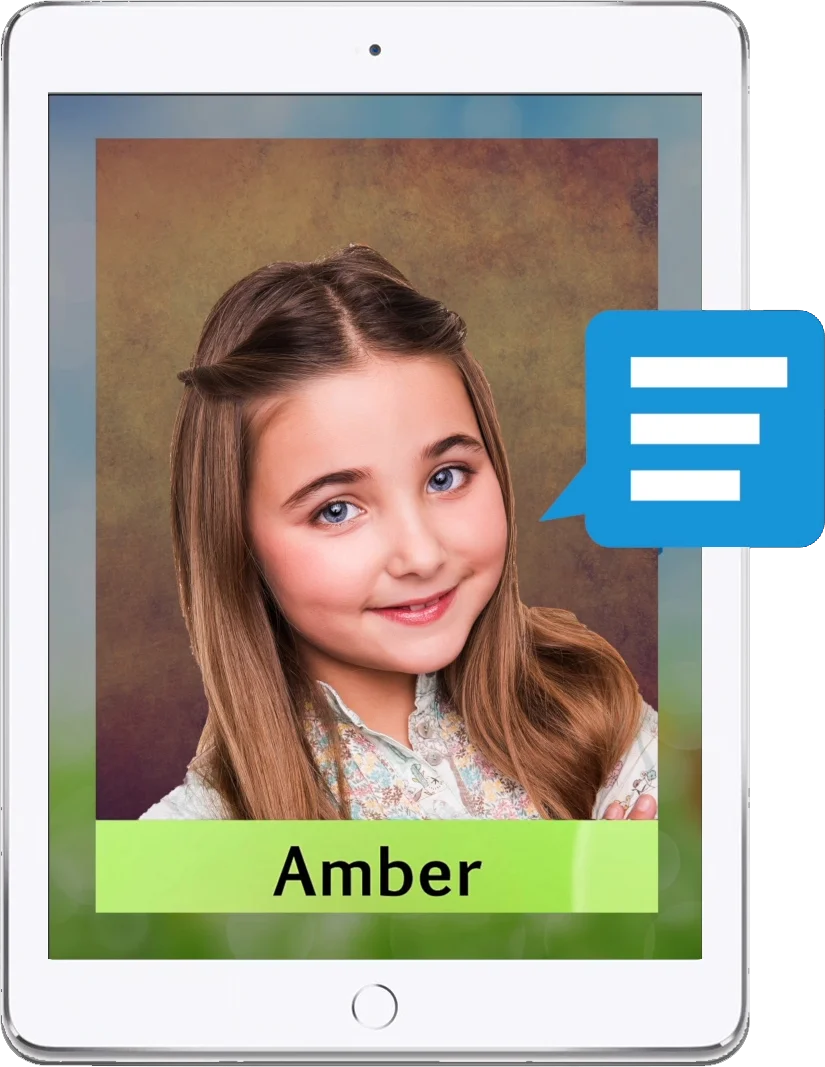
Every message is private, one classmate to one classmate. When a friend signs your child’s yearbook, only your child sees it. There is no audience, which removes the thing bullying feeds on.
Nobody can write in your child’s yearbook without permission. A message from a classmate your child has not accepted stays on our servers unread; it appears only after your child taps Accept.
Blocking is one tap and works both ways. A blocked classmate can’t write to your child, and your child can’t write to them. Blocking also lets you report the person to us.
Younger students need a parent’s approval to sign at all. Below the grade the school sets, your child can read the yearbook but cannot send or receive messages until you approve it with the code we email you. You can leave it off.
Messages are reviewed before delivery when something looks wrong. Every message is checked on our servers against a list of words and phrases; schools can also turn on a second, automated reading that catches meanness with no bad word in it. Anything flagged is held and read by a person on our team, who decides whether it is delivered. A held message may never arrive, and the sender is not told. Our Community Guidelines are the rules every student agrees to before sending their first message.
Each classmate can sign your child’s book with a single message — it’s not a messaging app.
If your child receives something hurtful, use Block / Report on that person in the app, or Report a Problem in the app’s menu. A person reads every report.
What parents can do
Read along. Sign in on your own device with your child’s login and you see exactly what they see, messages included.
Decide about messaging. For a younger student, nothing is sent or received until you approve it, and you can ask us to turn it off again.
Keep it off social media. The app has no share or save button for yearbook pages or messages, and copying them anywhere else is against the Terms of Service.
Delete the account at any time from the app or at app.fcyearbook.com/delete-account. For a younger student, we confirm the deletion with you first.

Not on the web, not for sale
The yearbook, your child’s photo and name, and every message are not indexed by Google and are not available on the web. They are seen only by the students and staff pictured in the yearbook, through the access code the school gave you. We do not advertise to students, and we never sell or share student information. FC Yearbook complies with the Children’s Online Privacy Protection Act (COPPA); Canadian families are covered by PIPEDA, and data may be stored and processed in the United States to produce and support the yearbook.
More questions? Contact us